Mitä autojen upotetut holkit tekevät ajoneuvon sisällä
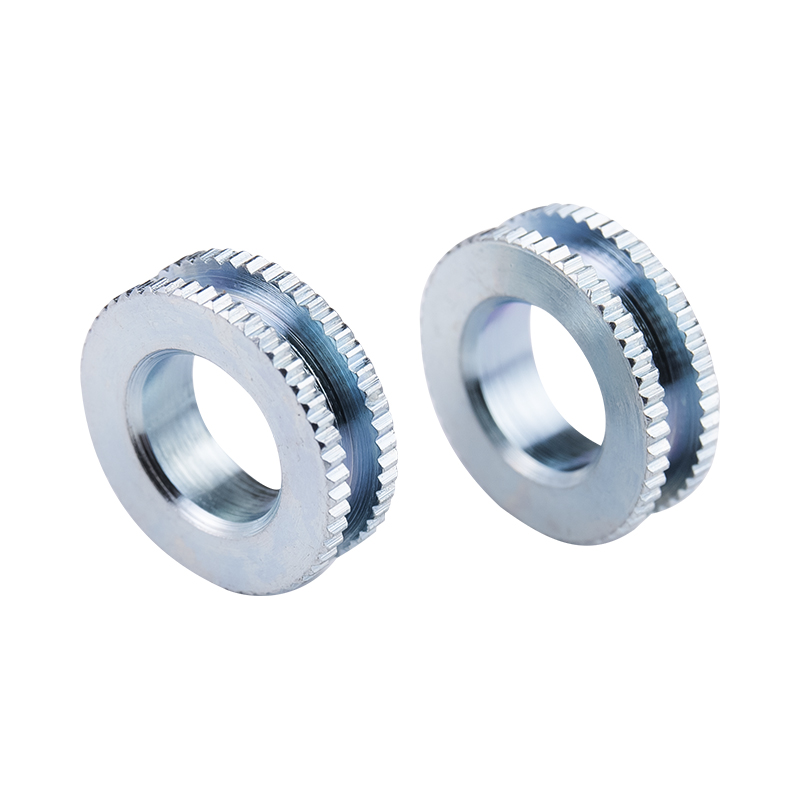
Autojen upotetut holkit ovat osia, jotka on muovattu tai puristettu pysyvästi muovi-, kumi- tai metallikoteloihin kiinteän laakeripinnan luomiseksi kohdissa, joissa kahden osan täytyy liikkua suhteessa toisiinsa ilman suoraa metalli-metallikontaktia. Sen sijaan, että holkki olisi itsenäinen kiinnike, siitä tulee osa itse isäntäkomponenttia, joka on upotettu muovaus- tai kokoonpanoprosessin aikana, joten se ei voi siirtyä, pyöriä itsenäisesti tai löystyä osan käyttöiän aikana. Tämä upotettu rakenne erottaa ne pultti- tai puristusholkeista, jotka ovat erillisinä vaihdettavina osina.
Käytännössä upotettu holkki antaa liikkuvalle liitokselle kestävän, vähäkitkaisen pinnan, kun taas ympäröivä muovi- tai komposiittikotelo kestää rakenteellisen kuormituksen. Tämän yhdistelmän ansiosta insinöörit voivat käyttää kevyitä muoviosia paikoissa, jotka muuten kuluisivat nopeasti, jos itse muovi joutuisi vastustamaan liikkuvaa metalliakselia tai tappia.
Jousitus- ja alustajärjestelmien ydintoiminnot
Jousitusjärjestelmät ovat yksi vaativimmista ympäristöistä upotetuille holkeille, koska niissä yhdistyvät jatkuva liike, tieiskut ja altistuminen kosteudelle, suolalle ja lämpötilan vaihteluille. Ohjausvarret, kääntötangon päätylenkit ja joustinkannattimet luottavat kaikki upotettuihin holkkeihin, jotka pitävät jousituksen geometrian vakaana ja sallivat kuitenkin jousituksen vaatiman ohjatun liikkeen.
Kitkan vähentäminen ja kulumissuoja
Holkin pinta on suunniteltu vähentämään niveltapin ja kotelon reiän välistä kitkakerrointa, mikä hidastaa kulumista ja estää asennusreikien venymisen, mikä muuten johtaisi löystyviin, äänekkäisiin liitoksiin. Monissa upotetuissa holkeissa käytetään itsevoitelevia polymeeriyhdisteitä, kuten PTFE-vuorattua kangasta tai öljyllä kyllästettyä sintrattua pronssia, joten liitos toimii tasaisesti ilman rasvanippoja tai määräaikaista voitelua.
Tärinä ja iskunvaimennus
Pelkän pyörimisen sallimisen lisäksi monissa holkkimalleissa on elastomeerinen yhteensopivuus, joka vaimentaa tien iskuja ennen kuin se saavuttaa alustan. Tämä vaimennustoiminto vähentää ohjaamoon siirtyvää kovuutta ja suojaa lähellä olevia osia, kuten pultteja ja kiinnikkeitä, toistuvan korkeataajuisen tärinän aiheuttamilta väsymishalkeilulta.
Kohdistus ja geometrian säilyttäminen
Koska holkki on kiinnitetty paikalleen kotelossaan, se säilyttää johdonmukaisen nivelpisteen jousitusvarrelle tai lenkille ajoneuvon käyttöiän ajan. Tämä johdonmukaisuus pitää kallistuksen, pyörän ja kärjen asetukset vakaina linjauspalveluiden välillä, koska kulunut tai löysä holkki on yksi yleisimmistä linjausliikkeen ja renkaiden epätasaisen kulumisen syistä.
Tavalliset materiaalit, joita käytetään upotettujen holkkien rakentamisessa
Materiaalin valinta riippuu holkin kantamasta kuormasta, sen kohtaamasta lämpötila-alueesta ja siitä, tarvitseeko sen taipua vai pysyä jäykkänä. Alla olevassa taulukossa on yhteenveto materiaaliperheistä, jotka on yleisimmin määritelty autojen upotetuille holkeille ja missä niitä tyypillisesti käytetään.
| Materiaali | Tyypillinen sovellus |
| Sintrattu pronssi | Öljyllä kyllästetyt holkit poljinkokoonpanoille ja hitaille kierrosnopeuksille |
| PTFE-vuorattu komposiitti | Ohjausvarren ja ohjausvivun holkit vaativat pientä kitkaa ilman rasvaa |
| Luonnollinen tai synteettinen kumi | Kääntötanko ja apurungon holkit, jotka tarvitsevat tärinänvaimennusta |
| polyuretaani | Suorituskykyiset jousitusholkit, jotka tarvitsevat tiukempaa vastetta kuin kumi |
| Tekniset muovit (POM, PA66) | Oven saranat, istuinmekanismit ja sisäverhoilun kääntöpisteet |
Mistä upotettuja holkkeja löytyy jousituksen ulkopuolella
Vaikka jousitusosat edustavat eniten kuormitettua sovellusta, upotetut holkit näkyvät kaikkialla ajoneuvossa aina, kun liikkuva nivel tarvitsee kestävän ja vähän huoltoa vaativan liitännän.
- Ohjauspylväskokoonpanoissa käytetään pieniä upotettuja holkkeja vähentämään välystä ja melua kääntö- ja teleskooppipisteissä.
- LVI-peltiovet perustuvat muovikoteloon valettuihin upotettuihin holkkeihin, jotka mahdollistavat tasaisen toimilaitteen ohjaaman pyörimisen tuhansien auki-kiinni-jaksojen aikana.
- Istuimen kallistus- ja korkeudensäätömekanismit käyttävät upotettuja holkkeja vähentämään kitkaa kantavissa nivelpisteissä toistuvan säädön aikana.
- Jarru- ja kaasupolkimien poljinkokoonpanoissa käytetään upotettuja holkkeja, jotka ylläpitävät tasaisen kääntötuntuman polkimen koko käyttöiän ajan.
- Oven saranoissa ja konepellin tai tavaratilan salpamekanismit käyttävät upotettuja holkkeja estämään metallin muovipinnan kulumista toistuvan avaamisen ja sulkemisen aikana.
Suunnitteluun ja valmistukseen liittyviä näkökohtia
Holkin upottaminen muovi- tai komposiittikoteloon vaatii huolellista koordinointia holkin toimittajan ja muovaajan välillä, koska holkin on selviydyttävä ruiskupuristusprosessista ilman, että se muuttaa asentoa tai heikkenee lämmön vaikutuksesta. Kaksi valmistustapaa ovat yleisimpiä: inserttimuovaus, jossa holkki asetetaan muottipesään ennen kuin muovi ruiskutetaan sen ympärille, ja jälkipuristus, jossa holkki puristetaan valmiiksi muotoiltuun reikään kotelon jäähtymisen jälkeen.
Muottikappale luo vahvemman mekaanisen sidoksen ja eliminoi holkin pyörimisriskin sen reiässä, mutta se vaatii tiukempaa prosessin hallintaa muotin lämpötilassa ja ruiskutuspaineessa, jotta vältetään holkin vääntyminen tai tyhjien syntyminen sen ympärille. Muotin jälkeinen puristus on yksinkertaisempaa ja mahdollistaa laajemman valikoiman kotelomateriaaleja, mutta holkissa on oltava uurteet, laipat tai muut pyörimisen estoominaisuudet, jotta se ei löysty vääntömomentin vaikutuksesta ajan myötä.
Toleranssin hallinta on myös kriittinen. Jopa muutaman sadasosan millimetrin ylimitoitettu holkkireikä voi sallia tarpeeksi välystä ja aiheuttaa kuuluvia naksahdus- tai kolinaääniä, jotka ovat yksi yleisimmistä sisä- ja jousituskomponentteihin liittyvistä takuuvalituksista.
Merkkejä holkkien kulumisesta ja kun vaihto on tarpeen
Koska upotetut holkit on suunniteltu pitkää käyttöikää varten, useimmat ajoneuvot eivät tarvitse holkin vaihtoa normaalikäytössä, mutta tietyt oireet viittaavat siihen, että holkki on huonontunut ja vaikuttaa ajoneuvon suorituskykyyn tai turvallisuuteen.
- Jousituksen kolinaa tai koputtavaa ääntä kohoumien yli, mikä usein osoittaa liiallista välystä ohjausvarressa tai kääntötangon holkissa.
- Epätasainen tai kiihtynyt renkaiden kuluminen, joka johtuu kohdistuspoikkeamasta kuluneesta ohjausvarren holkista.
- Näkyvää halkeilua, halkeilua tai litistymistä kumi- tai polyuretaaniholkkimateriaalissa silmämääräisen tarkastuksen aikana.
- Epämääräinen tai harhaileva ohjaustuntuma, joka voi johtua ohjausvivuston kuluneista holkeista, ei itse ohjaustelineestä.
Oikean upotetun holkin toimittajan valitseminen
OEM- ja jälkimarkkinavalmistajien, jotka hankkivat upotettuja holkkeja, arviointiprosessin tulisi mennä hintavertailua pidemmälle ja sisällyttää siihen materiaalisertifiointi, mittojen yhdenmukaisuus tuotantoerien välillä sekä validoidut sovelluskohtaiset kuormitus- ja väsymistestitiedot. Toimittaja, joka pystyy osoittamaan johdonmukaiset poraustoleranssit suurilla tuotantomäärillä sekä materiaalien yhteensopivuuden testaus autojen nesteitä ja äärimmäisiä lämpötiloja vastaan, vähentää kenttävikojen riskiä, joiden jäljittäminen yhteen komponenttiin on kallista. Näyteosien pyytäminen sopivuustestausta varten todellisen isäntäkotelon sisällä sen sijaan, että luottaisi pelkästään piirustuksiin, on edelleen yksi luotettavimmista tavoista varmistaa, että holkki toimii tarkoitetulla tavalla, kun se on upotettu lopulliseen kokoonpanoon.